The Rise of Custom Textiles in Modern Fashion
The fashion industry is currently experiencing a significant shift. Mass production is no longer the only option for creators. Consequently, designers and hobbyists alike are seeking unique ways to express their style. One of the most empowering trends is the ability to design your own fabric. This process allows for complete creative control. You are no longer limited by the selections at a local craft store. Instead, you can bring your specific vision to life. Furthermore, this trend promotes individuality in a world of fast fashion. Wearing a garment made from a unique pattern ensures you stand out.
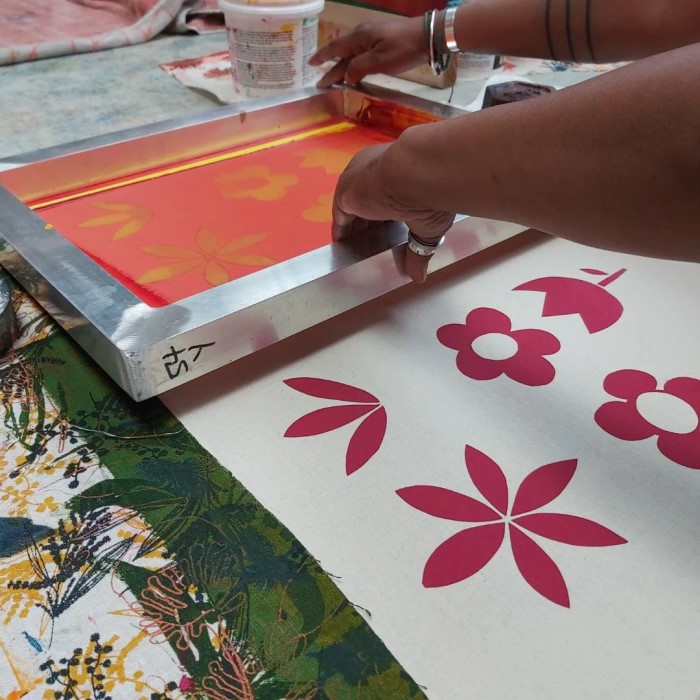
Technology has played a crucial role in this evolution. Digital printing has become more accessible and affordable. Therefore, the barrier to entry for custom textile design has lowered significantly. In the past, creating custom fabric required expensive screen setups. Now, you can upload a digital file and print a single yard. This accessibility encourages experimentation. Additionally, it supports sustainable practices. You only print what you need. This reduces waste significantly compared to traditional manufacturing methods.
Moreover, the emotional connection to the garment increases. When you design the material, you invest a part of yourself in the final product. Consequently, the value of the item transcends its physical cost. It becomes a piece of art. Whether you are a professional fashion designer or a sewing enthusiast, custom textiles offer endless possibilities. In this article, we will explore the tools, techniques, and trends in fabric design. We will guide you through the process of turning a concept into a tangible textile.
Understanding the Basics of Pattern Design
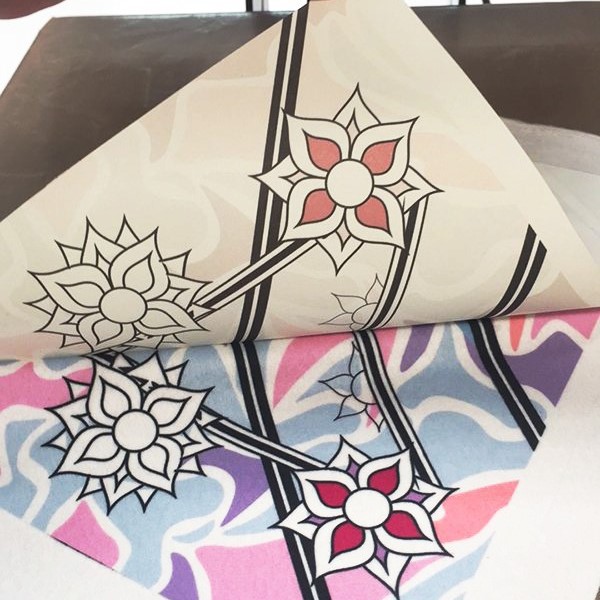
Creating a successful fabric pattern requires understanding a few fundamental concepts. First, you must consider the “repeat.” A repeat is the way a single block of design duplicates itself. Consequently, the edges must align perfectly to create a seamless flow. There are several types of repeats. For instance, a “full drop” repeat places the duplicate directly below and to the right of the original. Alternatively, a “half drop” repeat offsets the duplicate by half the height. This creates a more organic and less static look. Therefore, choosing the right repeat style is essential for your design.
Furthermore, scale is a critical factor. You must think about the size of the motif relative to the garment. A tiny floral print might look lovely on a delicate blouse. However, that same print could look busy and overwhelming on a large coat. Conversely, a large-scale pattern works best for items with big flat areas. Therefore, you should visualize the final product. Imagine how the pattern will drape over the body. Additionally, you must consider the direction of the print. An “omnidirectional” print looks good from any angle. This is ideal for quilting or scarves. However, a “directional” print has a clear up and down. This works well for specific dress patterns.
Color is another powerful tool in your arsenal. Understanding color theory helps you create harmonious designs. You can use a monochromatic scheme for a subtle, elegant look. Alternatively, complementary colors create high contrast and energy. However, you must remember that colors on a screen often look different on fabric. This is due to the difference between RGB (screen) and CMYK (print) color modes. Consequently, testing your colors is always recommended. Mastering these basics ensures your fabric is not only beautiful but also functional for fashion use.
Essential Tools and Software for Creators
To design your own fabric, you need the right digital tools. The industry standard for graphic design is Adobe Photoshop and Illustrator. Photoshop is ideal for raster-based designs. These are images made of pixels. It is perfect for creating textured, painterly effects. You can scan hand-drawn artwork and manipulate it in Photoshop. Furthermore, it offers robust tools for creating seamless repeats. The “offset” filter is particularly useful for checking your pattern edges. Consequently, many artists start their journey here.
On the other hand, Illustrator is vector-based. This means the graphics are made of mathematical paths. The primary advantage is scalability. You can enlarge a vector design infinitely without losing quality. Therefore, it is excellent for crisp geometric patterns and sharp lines. Illustrator also features a “Pattern Tool.” This tool allows you to instantly create and edit repeats. You can see the changes in real-time. Additionally, it integrates well with other Adobe products. For those who cannot afford Adobe subscriptions, there are alternatives. Procreate on the iPad is a powerful and intuitive drawing app. It allows you to sketch ideas anywhere. Furthermore, free software like GIMP and Inkscape offers similar functionality.
Beyond software, hardware matters. A drawing tablet is a valuable investment. It mimics the feel of a pen on paper. This allows for more natural strokes than a mouse. Additionally, a high-quality scanner is necessary for traditional artists. You can paint with watercolors or ink. Then, you scan the work to digitize it. This hybrid approach combines the warmth of handmade art with digital precision. In summary, the right tools streamline the workflow. They bridge the gap between your imagination and the final digital file.
Exploring Current Fabric Design Trends
Staying current with trends is vital for fashion designers. Currently, there is a massive resurgence of retro styles. Specifically, the 70s and 90s aesthetics are dominating the runways. Think bold, psychedelic swirls and ditsy floral prints. Consequently, incorporating these nostalgic elements can make your designs feel fresh. However, it is important to put a modern spin on them. For example, you might use a vintage color palette but with a modern, abstract layout. Furthermore, texture is becoming increasingly popular in digital design. Designers are adding grain and noise to flat colors. This gives the fabric a tactile, organic feel.
Another major trend is the “biophilic” design. This approach focuses on connecting with nature. Therefore, botanical prints are incredibly popular. But we are not just talking about simple flowers. Designers are creating detailed scientific illustrations of fungi, seaweed, and exotic plants. These designs often feature rich, earthy color palettes. Additionally, abstract art continues to hold a strong position. Fluid shapes, marbled textures, and bold brush strokes are in high demand. These patterns work beautifully for statement pieces like dresses and kimonos. Consequently, they allow for artistic expression.
Finally, maximalism is having a moment. The “more is more” philosophy encourages clashing patterns and vibrant colors. This trend allows for great creativity. You can layer multiple motifs within a single design. However, minimalism still has its place. Clean lines, stripes, and solid textures are timeless. They serve as the backbone of a wardrobe. In conclusion, observing these trends provides inspiration. But the best trend to follow is your own unique voice. Authenticity always resonates with consumers.
The Technical Process of Digital Printing
Once you have your digital file, the printing process begins. Digital textile printing is an inkjet-based technology. It sprays tiny droplets of dye onto the fabric. Consequently, it allows for high levels of detail and color variation. There are two main types of digital printing: direct-to-garment (DTG) and sublimation. DTG is often used for cotton fabrics. It prints the ink directly onto the fibers. Then, a heat press sets the ink. This method results in a soft hand-feel. The ink becomes part of the fabric. Therefore, it is comfortable to wear.
Sublimation, on the other hand, works best on polyester. The process uses heat to turn solid dye into gas. This gas bonds with the synthetic fibers. Consequently, the result is incredibly durable. The print will not crack, peel, or fade. Furthermore, sublimation allows for all-over printing. You can print seam-to-seam designs. This is perfect for sportswear and activewear. However, it is not suitable for natural fibers like cotton or silk. Therefore, you must choose your printing method based on your fabric choice.
Another important consideration is the “white base.” When printing on dark fabrics, the printer must first lay down a layer of white ink. This ensures the colors pop against the dark background. However, this can make the fabric feel slightly thicker. Consequently, many designers prefer printing on white or light-colored fabrics. This preserves the natural drape of the material. Understanding these technical aspects helps you prepare your files correctly. It ensures the final product matches your digital vision.
Choosing the Right Base Material
The fabric itself is just as important as the print. You cannot simply design your own fabric without considering the base cloth. The “hand” of the fabric refers to how it feels. Is it crisp, soft, stretchy, or stiff? These characteristics dictate what kind of garment you can make. For example, a structured cotton twill is perfect for trousers. However, it would be a poor choice for a flowing summer dress. Therefore, you must understand the properties of different fibers.
Natural fibers are breathable and comfortable. Cotton is versatile and easy to sew. Linen is perfect for summer with its airy weave. Silk offers luxury and a beautiful sheen. Consequently, these materials are favorites for high-end fashion. However, they can wrinkle easily. Synthetic fibers offer durability and stretch. Polyester is the champion of activewear. It holds color brilliantly and resists wrinkles. Rayon and viscose are semi-synthetic options. They mimic the feel of silk but are more affordable. They drape beautifully. Therefore, they are excellent for blouses and skirts.
Furthermore, you must consider the weight of the fabric. Weight is usually measured in GSM (grams per square meter). A lightweight chiffon might be 50 GSM. A heavy canvas could be 400 GSM. The weight affects the silhouette of the garment. A heavy fabric will hide body lines. A light fabric will cling. Additionally, the weave affects the print quality. A tight weave, like satin, produces sharp, vibrant prints. A looser weave, like burlap, will result in a more pixelated, rustic look. In summary, selecting the right base material ensures your design looks its best and functions correctly.
Sustainable Practices in Fabric Design
Sustainability is no longer a niche concern. It is a core value for modern consumers. As a designer, you have the power to make eco-friendly choices. One of the biggest advantages of digital printing is reduced waste. Traditional screen printing uses excess water and chemicals. Digital printing uses precise amounts of ink. Furthermore, it eliminates the need for screens. Consequently, it is a much greener process. However, you can go further. Choose organic or recycled base fabrics. Organic cotton is grown without harmful pesticides. Recycled polyester gives new life to plastic bottles.
Another sustainable practice is “print on demand.” Many services allow you to print fabric only when an order is placed. This eliminates dead stock. In the traditional model, designers print hundreds of yards. If the design doesn’t sell, that fabric goes to a landfill. Therefore, print on demand is a safer, more responsible business model. Additionally, consider the end-of-life of your product. Avoid mixing natural and synthetic fibers if possible. Blends are difficult to recycle. A 100% cotton shirt can biodegrade. A cotton-poly blend cannot.
Finally, think about longevity. Designing a timeless pattern encourages the consumer to keep the garment longer. Fast fashion relies on trends that fade quickly. A classic, well-made piece transcends seasons. Consequently, it reduces the cycle of consumption. By embracing these sustainable practices, you appeal to a growing market of conscious consumers. You also contribute to a healthier planet. This adds a layer of ethical value to your brand.
Troubleshooting Common Design Mistakes
New designers often face specific challenges. One of the most common issues is the “visible seam.” This happens when the repeat does not line up perfectly. Consequently, you see a harsh line where the pattern tiles. To avoid this, use the “offset” tool in your software. Zoom in and check the edges carefully. Additionally, print a test swatch. This small investment of time saves money later. Another frequent mistake is incorrect color profiling. Your screen is backlit. Fabric is not. Therefore, colors often print darker than they appear on screen. Adjust your brightness and contrast before printing.
Another issue is low resolution. If you start with a small image and enlarge it, it becomes pixelated. The edges become blurry and jagged. Always work in high resolution. A standard guideline is 150 dots per inch (DPI) at the final print size. Furthermore, ensure your design elements are not cut off awkwardly. A flower might look beautiful in the middle of the frame. But what happens when it hits the edge of the fabric? You must visualize the pattern as an infinite field. Therefore, avoid placing focal points too close to the border.
Finally, scale errors are common. A design might look great on a postcard. But when blown up to a yard of fabric, the motifs might look sparse and lost. Conversely, a detailed design might become a muddy blob when shrunk down. Therefore, always print a “proof” at actual size. This confirms that the scale works for your intended project. By being aware of these pitfalls, you can navigate the design process with confidence. It ensures a professional result every time.
Conclusion
The world of fashion is evolving rapidly. The power to create is shifting into the hands of the individual. Learning to design your own fabric is a journey of discovery. It combines artistic flair with technical skill. Furthermore, it opens doors to endless creative possibilities. Whether you are starting a clothing line or crafting a personal gift, custom fabric is the key to uniqueness. We have explored the tools, the trends, and the techniques. We have also looked at the importance of sustainability and material choice. Now, the next step is yours. Embrace the process of creation. Turn your imagination into a tangible reality. The fabric of your dreams is just a design away.